Why You Should Dehydrate Your Own Food for the Trail (Plus 5 Tasty Recipes)

Whether you are looking to pack a week’s worth of food, or just a day snack, dehydrating your own foods has amazing benefits. Check out why dehydrating food is worth it, and a few recipes that can spice up your backpacking experience.
1. It's Healthy
Have you ever read the back of a pre-made dehydrated meal? I can’t say I’m very versed in chemistry, but when I can’t even pronounce the words, I am turned off by what I might be putting into my body. Creating your own meals, and dehydrating your own food enables you to stay healthy even on the trail. You get to pick what you put into your snack or lunch and you don’t have to worry about whether or not Sodium Erythorbate is good or bad for you. Dehydrating food also retained a great amount of nutrition in your fruits and vegetables compared to freezing or canning your food. The healthier and cleaner you pick your ingredients, the better your dehydrated food will come out. Nutrition facts and labels don’t matter anymore. You can finally get on the trail and eat as healthy as you would have at home.
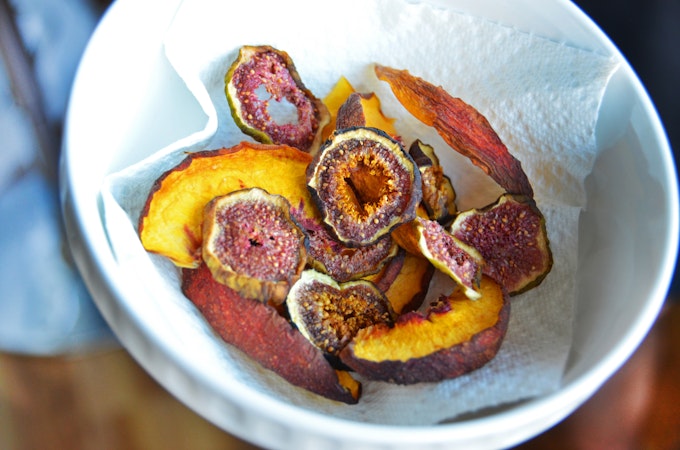
Dehydrated Fruit Snacks / Trail Mix
- Sliced peaches
- Sliced apricots
- Slices apples (mixed in lemon juice)
- Sliced pineapple (mixed in lemon juice)
- Cut fruit into equtal squares of ¼ inch thin
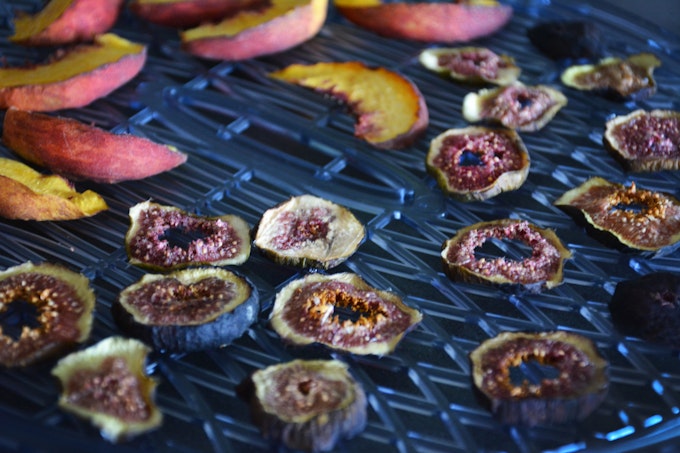
- Dehydrate all fruit slices
- Some fruit will turn brown upon dehydrating. To avoid, drip lemon juice or mixed in while prepping
- Dehydrate 4-6hours
- Divided in equal amounts
- Add in nuts or chocolate of choice for your very own trail mix
2. Dehydrating food is cheap
Let’s get to the big point, dehydrating your own food is a Money Saver. Perhaps you have to factor in that buying a dehydrator costs you money, but there are great dehydrators that are inexpensive. It’s a one-time purchase that is really more of an investment. You can also dehydrate food in the oven.The average person spends about $5.00-&.$7.00 on a 3 oz pack of beef jerky. It costs about $20.00 to make a pound of it at home. Factor in the fact that you don’t need to worry about nutrition facts and you have yourself some healthy cheap beef jerky. The same goes with dehydrated fruits. You don’t have to spend $10.00 for a pack of pre-made dehydrated fruits anymore. You can mix and match your vegetables and have them fresh for each season.
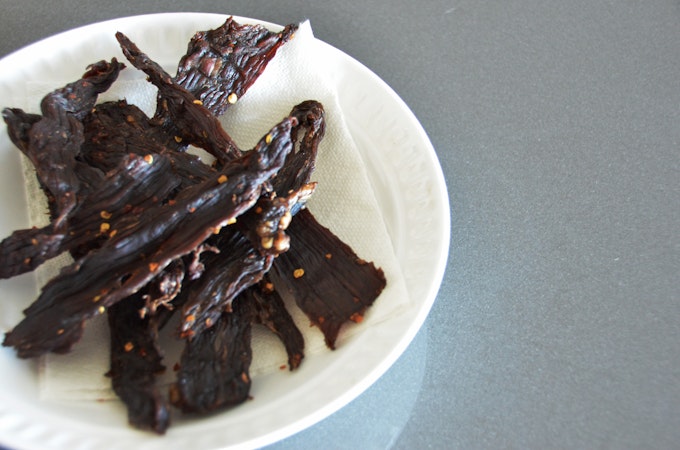
Home Made (Teriyaki) Beef Jerky Recipe
- 2 pound of Beef Flank Steak
- ¾ cup of Soy Sauce
- ¾ cup of teriyaki sauce OR ¼ cup of strawberry jam
- ¼ cup of Worcestershire sauce
- 2 tbsp. of red pepper flakes
- 1 tbsp. onion powder
- 1 tbsp. Dijon mustard
- 1 tsps. salt
- 1 tsps. pepper
- Mix all ingredients together in a gallon zip-lock bag and make sure everything is well diluted.
- Take your beef and thinly slice it into inch wide strips. Its easier to cut if you stick it in the freezer for an hour before. The thinner the better. Try and cut the length of the grooves of the steak. CUT OUT ALL FATTY PARTS
- Let the steak marinate in the bag for at least 8h. (make sure to refrigerate.)
- Them your pieces at set them on your dehydrator trays without overlapping each other.
- Cook anywhere from 8-12hours, rotating the trays if necessary every couple of hours.
3. It’s Versatile
If you have allergies for example, or you have a special diet, such as a vegan diet or gluten free (or just like vegan type diets), making your own food saves you a lot of hassle shopping through all the expensive brands that have certain ingredients or don’t. When you make your foods from starch, you don’t have to worry about all those things. There is no “I wish I could have that.” You can also start putting variety in your backpacking trip meals. For example you can dehydrate a lot of sauces and start making different types of pasta bowls. Just because you don’t have access to a kitchen in the outdoors, doesn’t mean you can’t eat like a king on the trail.
Homemade Tomato Sauce (bark)
- 8 pounds of tomatoes, seeded and diced
- 1 large onion, chopped
- ¼ cup chopped fresh basil
- 3 clove garlic, minced
- salt and pepper
- 1 tbsp. of olive oil (for prepping)
- Start by sautéing onions in a skillet
- In a large saucepan, over medium heat, cook tomatoes, and basil
- Add in onion, and rest of ingredients with tomatoes
- Let simmer over low heat for about 30 minutes
- Let it cool down, and blend everything until thick and well mixed.
- In dehydrator, set yogurt sheets or wax paper and pour tomato sauce evenly on each sheet.
- Dehydrate until hard and similar to bark (5-7h)
- To rehydrate, add to boiling water.
- Any canned or jarred tomato sauce does the trick. Make sure the content of fat is low, and don’t add too much olive oil. Make sure the sauce is well blended.
4. Food Lasts Longer
The one great thing about dehydrating your food is that it lasts longer. Simply put, instead of throwing away your extra fruits or vegetables, you can dehydrate them and store them for next week, month or even year. If you are on the trail, you don’t have to worry about your meals going bad. The average life of a dehydrated fruit or vegetable extends anywhere from three to five years if sealed properly. Store them on your shelf in some mason jars or even vacuum seal them for a backpacking trip. You can still have a peach and not worry about it getting all mushy in your bag.
Vegan Cookies Recipe
- 2 cups of soaked almonds (over night)
- 1 cup of soaked cranberries (1h)
- ½ cup of pumpkin seeds
- ½ cup of dates (pitted)
- 1 cup of chopped fruit of choice (banana, apricots, blueberries)
- chocolate chips (optional)
- In a food processor first blend almonds to a paste
- Add cranberries and blend
- Add rest of ingredients and blend
- Make small ball and flatted to fit in dehydrator
- Dehydrate 4-6h flipping them over every couple of hours
5. Dehydrated food saves space
Whether you are a planning a big trip, or just looking to pack some food for a weekend, available space is always the biggest priority. Not only does dehydrating food save room in a backpack, it also weights close to nothing. Some people have this faint idea that going out into the wilderness prevents your from staying healthy. Who ever said that was mistaken. You can in fact have all the healthy meals you want, and have the room for them, without carrying a kitchen on your back.But let’s just say for the sake of it, that you aren’t planning a trip; have you ever wished your refrigerator was just a little bigger? Or that your pantry had just a few more shelves? Almost anything you dehydrate can be rehydrated into its initial state. And you would be incredibly surprised to know that more people, wouldn’t know the difference of a rehydrated zucchini and one that was just picked from a garden.
Homemade Veggie Jerky
- 6 large carrots (peeled), sliced ¼ inch thin
- 3 large zucchinis, sliced ¼ inch thin
- 2 large eggplants, sliced ¼ inch thin
- 1 cup soy sauce
- 1 cup apple cider vinegar
- ½ cup of olive oil
- 1 tsp. onion power
- 1 tsp. cayenne pepper
- 1tsp. paprika
- 2 tbsp. Maple syrup
- salt and pepper
- Poach your sliced carrots and zucchini in boiling water
- In a bowl, mix in all the ingredients and whisk together
- Add in your sliced vegetables and let marinate for at least 1h (I recommend up to 8hours in refrigerator)
- Place slices in dehydrator (7-9hours)
Check out Talia's profile to see all of her amazing adventures and articles.