Features
About this place
Paddle 150-acre Horseshoe Lake with Spanish Peaks views. Wakeless boating, tiger muskie fishing, warm water. Colorado's first state park since 1962.
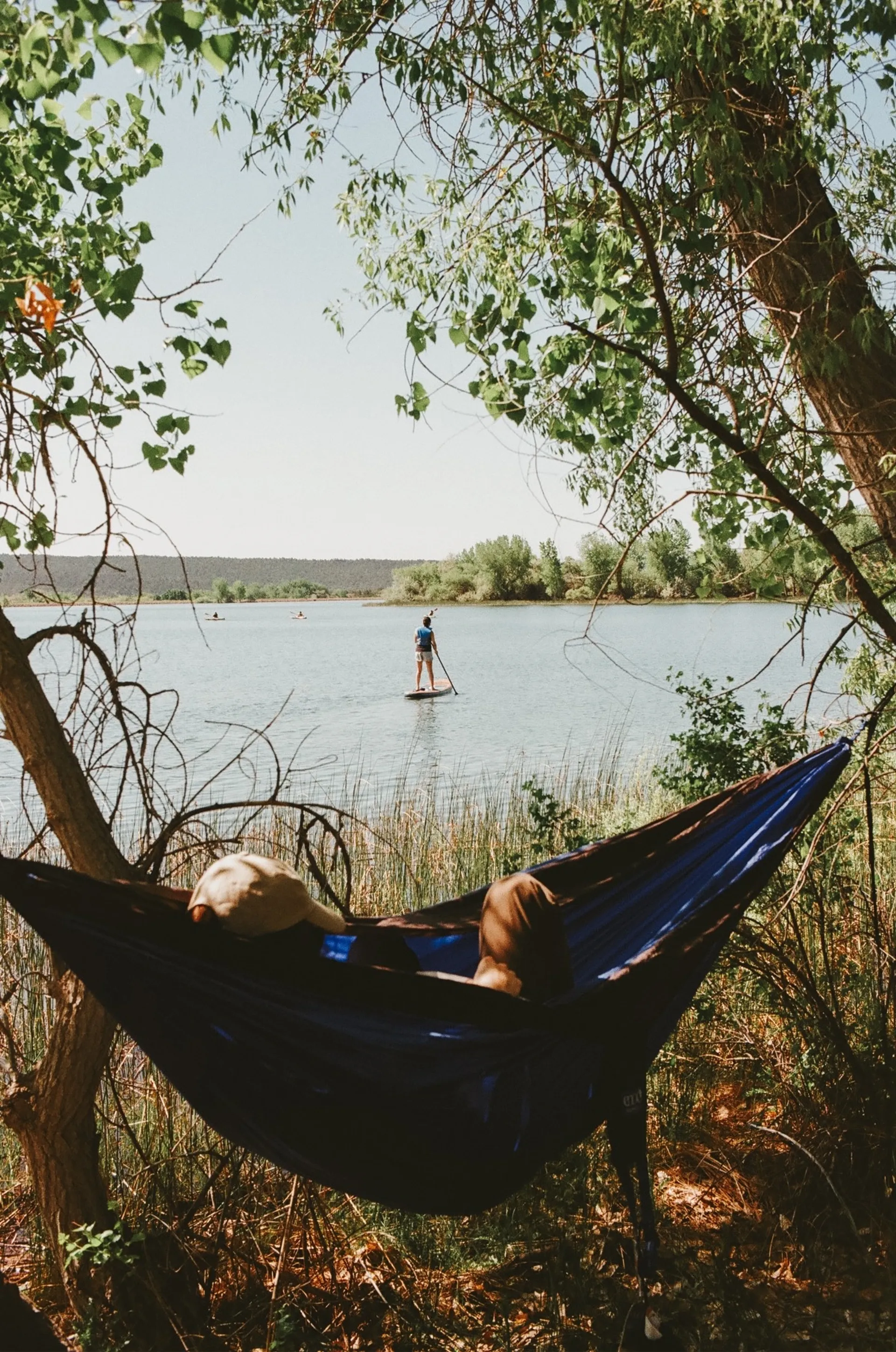
Horseshoe Lake in Lathrop State Park delivers calm-water paddling against a backdrop of the Spanish Peaks—twin volcanic "stocks" rising nearly 14,000 feet to dominate the southern Colorado skyline. The 150-acre reservoir enforces wakeless speeds, creating a serene environment for kayaking, canoeing, stand-up paddleboarding, and sailing without jet ski chaos or powerboat wakes. Water temperatures average 75°F in summer—warmer than high-elevation mountain lakes—making unexpected swims less shocking.
This is Colorado's first state park, established in 1962 and named after Harold W. Lathrop, the state's first parks director. The park's 1,594 acres sprawl in pinyon-juniper woodland at 6,000 feet elevation, halfway between Pueblo and the Great Sand Dunes. Horseshoe Lake sits alongside Martin Lake (its powerboat-friendly neighbor), with the Cucharas River feeding both reservoirs. The setting is high desert meets mountain foothills—dry air, big sky, expansive views, and dramatic thunderstorm buildup on summer afternoons.
Stats: 150 acres wakeless paddling | 2-4 hours typical session | Easy (calm water, no current) | Boat ramp on north side, ADA-accessible kayak/canoe launch on south side | Dogs allowed on leash | Best April-October
The Paddling Experience
Launch Options:
The north side boat ramp accommodates trailered boats and provides parking near the water. This is the main launch for sailboats and larger craft. The south side ADA-accessible kayak/canoe launch offers easy hand-carry access specifically designed for paddlers—gradual slope, stable surface, minimal distance from parking. Both launches provide free parking within the park (park entrance pass required).
On the Water:
Horseshoe Lake's irregular shoreline creates coves, points, and varied scenery as you paddle. The wakeless regulation means glassy water on calm days—perfect for beginners nervous about boat wakes or wind chop. Fishing boats with trolling motors cruise slowly hunting tiger muskie (the lake's trophy fish—46-inch, 25-pound specimens documented). Sailboats drift with light breezes. The vibe is decidedly mellow.
The Spanish Peaks anchor every view southward—West Spanish Peak (13,626 feet) and East Spanish Peak (12,860 feet) created by different volcanic processes than the uplifted Sangre de Cristo range visible to the west. Over 400 radial dikes—igneous rock walls—radiate from the peaks like wheel spokes, drawing geologists worldwide. On clear mornings, alpenglow paints the peaks orange-pink; summer afternoons bring towering cumulus clouds that often develop into thunderstorms by 3-4pm.
Shoreline vegetation is pinyon pine, juniper, cottonwoods along wet areas, and mixed grassland. Waterfowl use the lake heavily—migratory ducks and geese stop here spring and fall. Ospreys hunt fish summer months; bald eagles winter here regularly. Great blue herons stalk shallows. Western meadowlarks call from grasslands surrounding the lake. Mule deer appear at dawn and dusk.
Fishing While Paddling:
Horseshoe Lake is stocked with rainbow trout, bass, walleye, bluegill, crappie, channel catfish, and tiger muskie. The tiger muskie (a pike-muskie hybrid) is the trophy species—aggressive, grows huge, fights hard. Paddlers can troll while cruising or anchor near structure. Colorado fishing license required for ages 16+; available at visitor center.
Seasonal Closure:
Horseshoe Lake closes to all boating November 1 through the end of waterfowl hunting season (typically January). This protects migrating and wintering waterfowl. During closure, paddle neighboring Martin Lake instead (hand-launched boats only November-February).
Practical Information
Getting There: Address: 70 County Road 502, Walsenburg, CO 81089 GPS: 37.5697, -104.8989 From Walsenburg: Highway 160 west 3 miles, turn right on County Road 502, continue 1 mile to park entrance
Fees & Passes:
- Daily Pass: $10 per vehicle
- Annual Passes: Aspen Leaf Pass $70 (seniors 64+) | Vehicle Pass $80 (standard) | Family Pass $120 (2 vehicles same household)
- Passes valid 12 months from purchase, good at all Colorado State Parks
- Alternative: Spanish Peaks Library in Walsenburg offers free day passes (limited quantity, check availability)
Hours:
- Park: Open 5am-10pm year-round
- Visitor Center & Fee Station: Daily 8am-4pm
Facilities:
- Visitor center with park passes, fishing licenses, boat registrations, ice, firewood, bait, ice cream, gift shop
- Restrooms near boat launches
- 103 campsites (Pinon Campground with electric hookups, Yucca Campground primitive)
- Boat ramp (north side Horseshoe Lake)
- ADA-accessible kayak/canoe launch (south side Horseshoe Lake)
- Picnic areas
What to Bring:
- Kayak/canoe/SUP (or rent from local outfitters in Walsenburg—park doesn't rent watercraft)
- PFD (personal flotation device) required for all boaters
- Paddle, bilge pump, whistle
- Sunscreen (SPF 30+), hat, sunglasses—high elevation sun intense
- Water (1+ liter per person)
- Layers—weather changes quickly, afternoon thunderstorms common summer
- Fishing gear and license (if fishing)
Dogs:
- Allowed throughout park on leash 6 feet or shorter
- NOT allowed at Martin Lake swim beach
- Bring water for your dog
Swimming: Swimming is NOT permitted in Horseshoe Lake. Swim at Martin Lake's designated swim beach instead (located on Martin Lake's northeast shore, short drive from Horseshoe).
Activities Beyond Paddling
Trails:
- Cuerno Verde Trail: 3-mile paved loop around Martin Lake, bikes and pedestrians, easy
- Hogback Trail: 2-mile nature trail, moderate, self-guided wildlife brochure available, bikes prohibited
- North Side Trail: 4.5 miles, hikers and bikes, crosses Hogback Ridge
- Equestrian Trail: West of Horseshoe Lake, designated parking
Other Recreation:
- Golf: 9-hole Walsenburg Golf Course at park entrance (separate fee, full restaurant/bar)
- Archery: Free practice range (10-80 yard marked distances), life-sized mule deer rental available
- Mini Golf: Separate fee
- Camping: 103 sites year-round (Pinon has electric hookups up to 50 amp; Yucca is primitive)
- Geocaching: 13 caches hidden throughout park, coordinates at visitor center
Nearby Attractions:
- Great Sand Dunes National Park: 1.5 hours west—tallest sand dunes in North America
- Highway of Legends Scenic Byway: 30 minutes west through Cuchara Valley
- Trinidad: 45 minutes south—historic downtown, museums
- Spanish Peaks Wilderness: Hiking, backpacking in 19,200-acre wilderness
Safety & Conditions
Weather: High desert climate with dramatic afternoon thunderstorm development June-September. Lightning danger real—get off water immediately if thunderstorms build. Wind can pick up quickly in open terrain. Mornings typically calm.
Altitude: 6,000 feet elevation. If arriving from sea level, hydrate extra and pace yourself. Altitude sickness unlikely at this elevation but sun exposure intense.
Water Temperature: Averages 75°F summer—warm compared to mountain lakes, but still cold enough for hypothermia in extended immersion. Wear PFD always.
Wildlife: Generally non-threatening. Rattlesnakes possible in rocky areas shoreline—watch where you step when landing. Black bears and mountain lions rare but present in surrounding areas.
No Lifeguards: All water activities at your own risk. Park staff not stationed at lakes.
Ecology & Geology
Geological Setting: Lathrop sits in a transitional zone between Great Plains and Southern Rocky Mountains. The Spanish Peaks are volcanic "stocks"—large masses of molten rock that cooled underground then were exposed by erosion. The radial dikes (over 400 identified) are igneous rock walls that intruded into sedimentary rock, then stood as walls when softer rock eroded away. Geologically spectacular and globally studied.
Walsen Ridge: Volcanic dike on park's northern boundary, formed during Eocene-Oligocene volcanic activity (34-56 million years ago).
Ecosystem: Pinyon-juniper woodland dominates with mixed grassland communities. Cottonwoods line watercourses. Diverse wetland and shoreline plant communities support migratory birds. The reservoirs themselves created habitat not naturally present in this semi-arid landscape.
Wildlife: Ospreys (summer), bald eagles (winter), great blue herons, waterfowl (ducks, geese, coots), western meadowlarks, pinyon jays, scrub jays, mule deer, coyotes, cottontail rabbits, black-tailed jackrabbits, raccoons, bobcats (rare sighting).
Aquatic Species: Rainbow trout, largemouth bass, walleye, northern pike, tiger muskie, channel catfish, bluegill, black crappie, perch. Tiger muskie is the trophy species—aggressive hybrid created by crossing northern pike and muskellunge.
Invasive Species Alert: Eurasian watermilfoil detected in the reservoir. This noxious aquatic weed forms dense mats restricting recreation and choking native plants. Clean all watercraft before and after use—don't transport invasive species between water bodies.
Wellness Benefits
Accessible Mountain Recreation: At 6,000 feet, Lathrop offers mountain scenery and high desert ecology without extreme altitude or difficult access. The 4-hour drive from Denver or 1.5 hours from Colorado Springs makes this achievable for weekend trips. Wakeless lake regulations remove intimidation factor for beginners—no powerboat wakes to navigate, no jet ski chaos disrupting calm. Easy launches and parking proximity lower physical barriers.
Warm Water Advantage: 75°F summer water temperature makes swimming or accidental capsizes less shocking than high-elevation alpine lakes (which average 50-60°F). Psychological comfort of warmer water encourages confidence for tentative paddlers, especially children learning kayaking basics.
Big Sky Therapy: High desert landscape provides expansive views and massive sky—research shows wide-open landscapes reduce claustrophobic feelings and create psychological spaciousness. The Spanish Peaks anchor attention and provide perspective on scale—problems shrink when confronted with 13,000-foot peaks formed by volcanic forces millions of years ago.
Beginner-Friendly Challenge: Wakeless calm water and no current create safe environment for skill-building. Successfully navigating a few hours on open water builds paddling confidence without technical whitewater danger or ocean conditions. Achievement without intimidation encourages progression to more challenging water.
Keywords: Accessible paddling, wakeless calm water, warm lake benefits, big sky therapy, Spanish Peaks views, beginner confidence building, high desert immersion, migratory bird viewing, historical park legacy.
Season-by-Season Guide
Spring (April-May): Water still cool (50-65°F early season, warming through May). Migratory waterfowl peak. Wind can be strong. Fewer crowds. Spanish Peaks snowcapped and dramatic.
Summer (June-August): Peak season, warmest water (70-75°F), busiest time. Afternoon thunderstorms common—plan morning paddles. Ospreys actively fishing. Camping reservations fill quickly weekends.
Fall (September-October): Ideal conditions. Fewer crowds, water still warm early September. Cottonwoods turn gold. Migratory waterfowl return. Bald eagles arrive late October. Lake closes November 1 for waterfowl season.
Winter (November-February): Lake closed to boating during waterfowl hunting season. Martin Lake open to hand-launched boats only. Bald eagles winter here. Cold but sunny days.
Final Thoughts
Horseshoe Lake won't deliver wilderness solitude or technical challenge—this is a developed state park with amenities, crowds in summer, and maintained facilities. What it delivers instead: accessible paddling with genuine mountain views, calm water for skill-building, warm temperatures for comfort, and historical legacy as Colorado's first state park.
The Spanish Peaks provide constant visual anchor—those volcanic twins rising from high desert offer perspective on geological time that daily stress can't match. The wakeless regulation creates actual calm rarely found in multi-use reservoirs. And the 75°F water means June paddling doesn't require wetsuit courage.
Come early to beat afternoon thunderstorms and wind. Camp to catch sunrise alpenglow on the peaks. Bring binoculars for waterfowl watching. And recognize this as training ground—once you're comfortable here, Colorado's alpine lakes and whitewater rivers await.